Memory Foam Kitchen Mat: Non-Slip Flannel Comfort
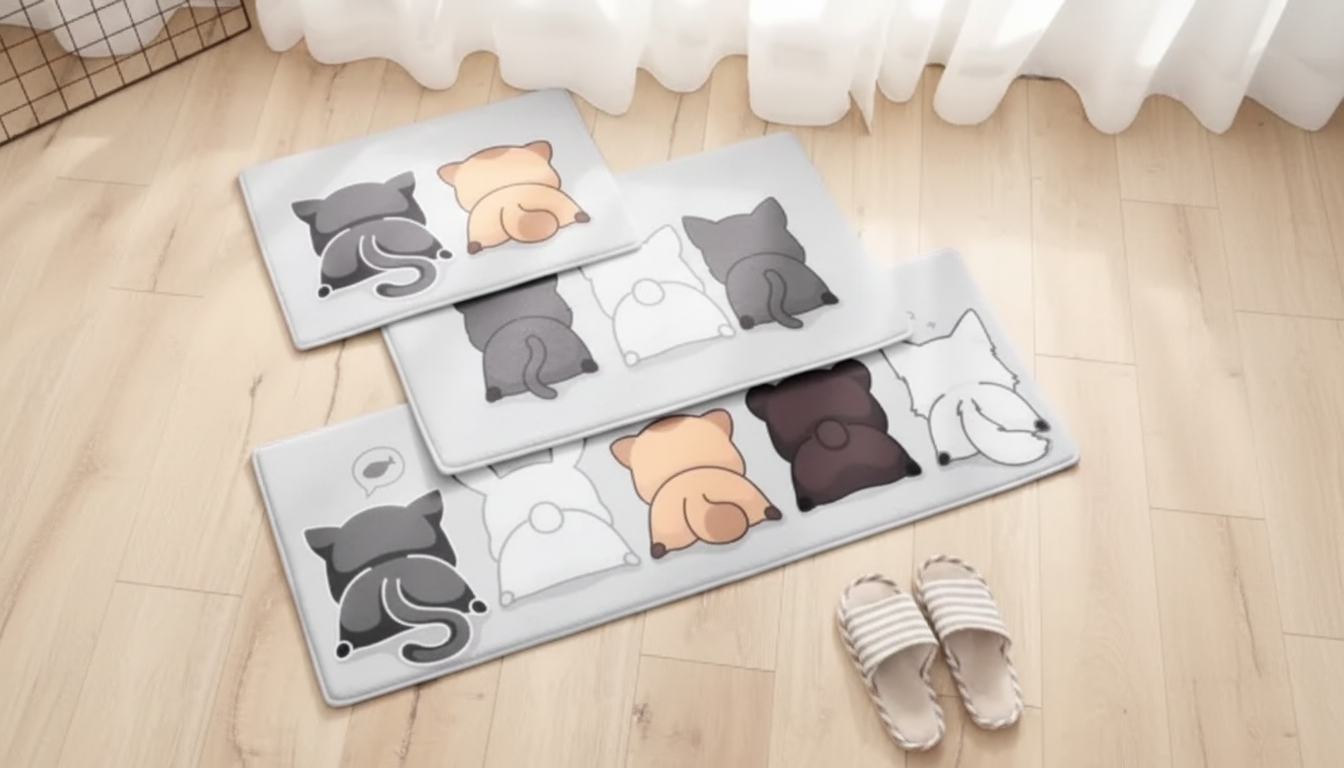
Soft Memory Foam Kitchen Floor Mat – Non-Slip, Absorbent Flannel Rug
A comfortable kitchen setup starts underfoot. A soft memory foam kitchen floor mat cushions joints during meal prep, helps keep floors drier with an absorbent flannel surface, and stays in place with a non-slip backing. This guide covers what to expect from this style of rug, where it works best, and how to care for it so it stays supportive and safe over time.
What makes this mat different from a standard kitchen rug
A typical decorative kitchen rug is often chosen for color and pattern first, with comfort as a secondary benefit. A memory foam + flannel mat is built the other way around: it focuses on cushioning, a cozy feel, and everyday practicality.
- Memory foam core: compresses under your weight and rebounds after use, helping reduce pressure on feet, knees, and lower back during longer standing tasks.
- Flannel top layer: feels soft, warms up quickly, and helps pick up small splashes or drips before they spread across the floor.
- Non-slip backing: designed to help the mat stay stable on common kitchen floors when used correctly on a clean, dry surface.
- Low-profile comfort: often feels more supportive than thin woven rugs that don’t offer meaningful cushioning.
Where it works best in the home
This style of mat fits anywhere you routinely stand in place or where small water drips are part of normal life.
- Kitchen sink area: adds cushioning where standing time is longest and helps with minor splashes from rinsing dishes.
- Stove and prep zone: reduces fatigue during chopping, stirring, and meal assembly.
- Laundry area: soft footing while sorting, folding, or transferring loads.
- Entry or mudroom (light-duty): can catch small amounts of moisture and provide a softer landing spot for shoes, depending on traffic level.
Comfort and support: what to expect day to day
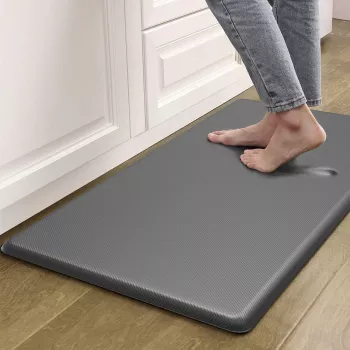
The biggest “aha” moment with memory foam is how quickly your body notices it during repetitive routines. If you regularly spend 10–30 minutes at the sink, or you like weekend baking sessions that keep you in one spot, the cushioning becomes more than a nice-to-have.
- Cushioning is most noticeable during dishwashing, baking, or meal prep sessions where you’re planted in place.
- The flannel surface feels gentler than looped or coarse rugs, especially when standing barefoot or in socks.
- Your floor affects the feel: hard tile and concrete highlight the benefit more than already-springy surfaces.
- Stability matters: keep the mat flat with no curled edges and avoid placing it over another rug.
Safety basics for non-slip performance
Even with a grippy backing, slip resistance is heavily influenced by how and where the mat is placed. General slip and fall prevention guidance emphasizes keeping walking surfaces clean and dry and addressing hazards quickly—especially in high-use areas like kitchens. For broader safety background, see OSHA’s slip, trip, and fall prevention resources and the CDC’s home fall safety information.
- Start with a clean, dry floor: dust, crumbs, and cooking grease can reduce traction between the backing and the floor.
- Avoid wet placement: if spills occur, blot the floor and the underside area before laying the mat back down.
- Keep edges fully flat: reposition after vacuuming or sweeping so corners don’t lift.
- Test on polished floors: on very smooth surfaces, do a gentle foot-slide test after placement before normal use.
Quick comparison: memory foam flannel mat vs other common options
Every kitchen is a little different. Use the overview below to match mat type to how you cook, how often you wipe up messes, and how long you typically stand in one place.
| Type | Comfort for standing | Spill handling | Typical upkeep | Best for |
|---|---|---|---|---|
| Memory foam + flannel top | High cushioning | Absorbs small splashes | Regular vacuum/shake + spot clean | Sink/prep zones, long standing |
| Flat woven rug | Low to moderate | Varies; often spreads moisture | Vacuuming; may shift | Decor-focused areas, low standing time |
| Gel/foam anti-fatigue mat (smooth top) | High cushioning | Wipes clean quickly | Wipe down | Heavy cooking zones, frequent wipe-ups |
| Rubber-backed utility mat | Moderate | Water-resistant; less absorbent | Hose/wipe | Doorways, high-traffic utility spaces |
Cleaning and care that preserves softness and shape
Routine care keeps a flannel surface looking better and helps the foam rebound evenly. For additional general cleaning guidance, the Carpet and Rug Institute offers care resources that translate well to many household floor coverings.
- Daily/weekly: shake out crumbs and vacuum on a gentle setting to keep the flannel surface fresh.
- Spot cleaning: blot spills quickly; use mild soap and water as needed, then air dry fully before placing back on the floor.
- Drying: ensure the mat is completely dry to help protect the backing and reduce odors.
- Rotation: rotate periodically to even out wear in the most-used standing areas.
Good fit checklist before buying
Shop in-stock picks
- Soft Memory Foam Kitchen Floor Mat – Non-Slip, Absorbent Flannel Rug — $14.97
- Amazing Song Pudding Bag — $174.47
- Ride On Push Car for Toddlers — $39.67
FAQ
Can a non-slip kitchen mat be used on tile or hardwood?
Yes, when it’s placed on a clean, dry surface. Clear dust or grease first, lay it flat, and test for stability; don’t place it over another rug or use it on wet flooring.
How should an absorbent flannel kitchen mat be cleaned after spills?
Blot immediately, then spot clean with mild soap and water. Let it air dry completely before putting it back down, and vacuum or shake it regularly to prevent crumbs from embedding.
Will memory foam flatten over time?
Some compression is normal in high-use spots. Rotating the mat, keeping it clean, and avoiding constant heavy point loads can help it maintain cushioning longer.








Leave a comment