-
Shop
- Adidas
- Advanced Technologies
- AI Skills for Creators & Freelancers
- AI Client Management
- AI Ethics
- AI Mindset
- AI Tools & Prompts
- AI Writing & Content Creation
- Audio, Voice & Music
- Design & Visual Creation
- Email, Messaging & Communication
- Freelancing & Business
- Marketing, Ads & Conversion
- Productivity, Workflow & Automation
- SEO & Search Optimization
- Social Media Content & Growth
- Strategy, Planning & Analytics
- Video Creation & Editing
- Beauty
- Best-Sellers
- Car Accessories
- Car Buying & Ownership
- Confidence
- Dating & Social Skills
- Digital Resources
- Education & Learning
- Family & Parenting
- Fashion
- Accessories
- Alexander McQueen
- Bags
- Bags & Wallets
- Balenciaga
- Belts
- Blazers
- Bottega Veneta
- Brunello Cucinelli
- Burberry
- Chanel
- Chloé
- Dior
- Dolce & Gabbana
- Dresses
- Etro
- Fendi
- Gucci
- Hats & Hair Accessories
- Hoodies & Sweatshirts
- Jewelry
- Jil Sander
- Keychains
- Kiton
- Luggage
- Miu Miu
- Off-White
- Outerwear
- Prada
- Rick Owens
- Saint Laurent
- Shoes
- Socks & Tights
- Sweaters & Cardigans
- The Row
- Tom Ford
- Tops & Shirts
- Valentino
- Valentino Garavani
- Versace
- Vivienne Westwood
- Watches
- Fashion Accessories
- Furniture
- Gadgets
- Health & Beauty
- Health & Wellness
- Home & Garden
- Home Styling & Organization
- Home Supplies
- Kids & Babies
- Kitchen Best-Sellers
- Parenting & Child Development
- Patio, Lawn & Garden
- Personal Growth
- Personal Style & Fashion
- Pet Care
- Pet Lifestyle & Wellness
- Pet Supplies
- Pets
- Smart Home Living Guides
- Sport & Outdoors
- Stress Relief & Relaxation
- Super Deals
- Travel
- Travel & Adventure
- Wealth
- Wellness
Eco-Soft Pocket Cloth Diaper: Fit, Wash & Absorbency
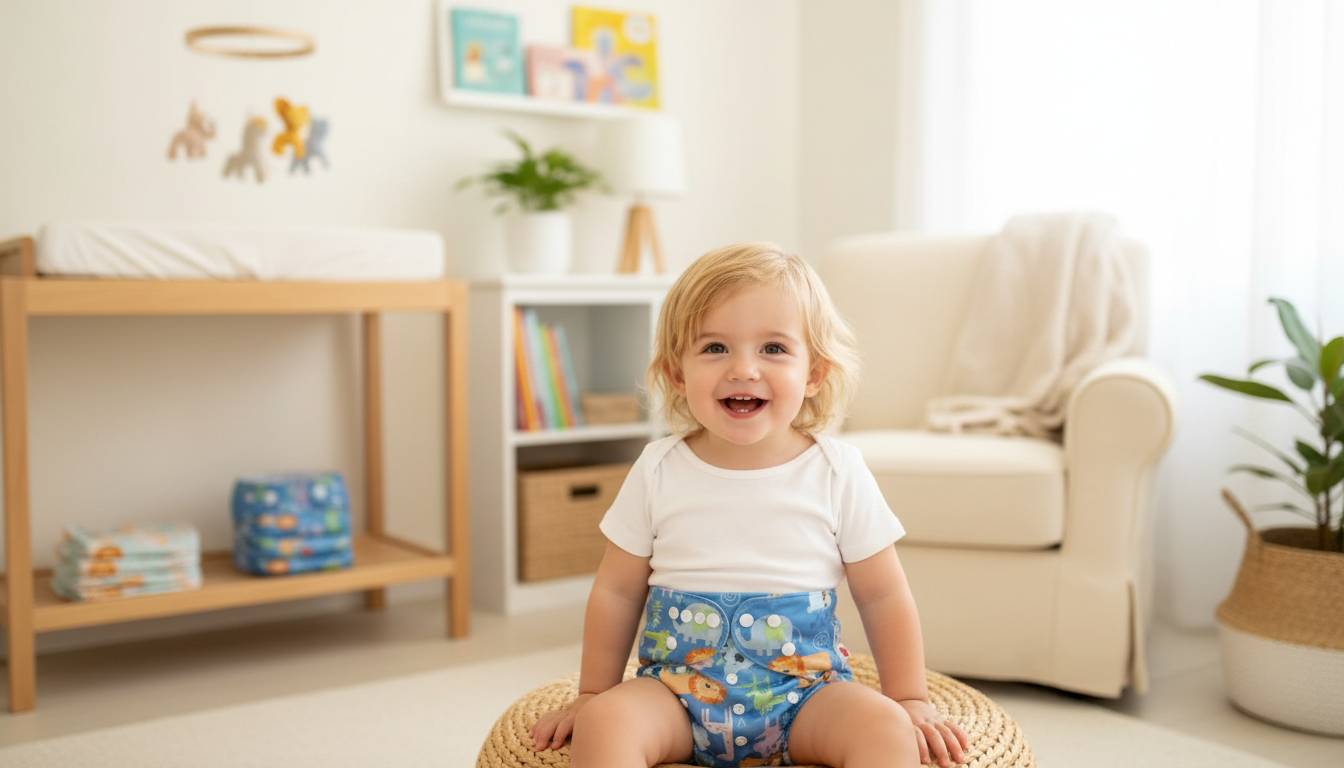
Eco-Soft Reusable Pocket Cloth Diaper for Babies
A pocket-style cloth diaper is designed for easy changes, adjustable absorbency, and repeat use. The Eco-Soft Reusable Pocket Cloth Diaper is a straightforward way to cut down on disposable diaper waste while keeping baby comfortable for everyday wear—whether that’s a quick grocery run, a long stroller walk, or a cozy nap at home.
What makes a pocket cloth diaper different
Pocket diapers combine a trim outer shell with a “pocket” opening that holds absorbent inserts. This design keeps setup simple while letting you fine-tune absorbency as your day changes.
- Pocket design: An opening allows an absorbent insert to be placed inside, helping tailor absorbency to naps, outings, or overnight needs.
- Reusable system: The diaper shell is used again after washing, while inserts can be swapped as needed between changes.
- Flexible routine: Works well as a primary diapering method or as a backup option alongside disposables.
If reducing household waste is part of the goal, the EPA’s overview of reducing and reusing offers helpful context on why reusable habits can add up over time.
Eco-Soft diaper at a glance
This diaper is built around the practical benefits that make pocket diapers popular: a reusable shell, inserts that control absorbency, and a setup that can fit into a busy routine.
| Detail | Info |
|---|---|
| Product name | Eco-Soft Reusable Pocket Cloth Diaper for Babies |
| Type | Reusable pocket cloth diaper |
| Price | 6.01 USD |
| Availability | In stock |
| Product page | Eco-Soft Reusable Pocket Cloth Diaper for Babies |
Fit and comfort basics
Even the most absorbent setup can leak if the fit is off. A good fit is secure without leaving deep marks, and it keeps moisture where it belongs—inside the diaper.
- A secure fit helps reduce leaks: Ensure the leg openings are snug (not tight) and the diaper sits smoothly in the bikini line.
- Check around the waist and hips after fastening: Gaps often lead to wicking and side leaks, especially during active play or tummy time.
- Dress for comfort: Tight onesies or pants can compress absorbency and increase leaks during longer stretches.
If redness shows up right where elastic sits, try a slightly looser setting and re-check positioning. Often, small adjustments make a big difference.
Absorbency: how to customize for real life
Pocket diapers shine when life isn’t one-size-fits-all. A short errand and an afternoon nap don’t need the same absorbency, and inserts let you respond without changing diaper styles.
- Match absorbency to the moment: Use lighter absorbency for quick errands and heavier absorbency for naps or longer car rides by choosing a thicker insert or layering inserts.
- Prevent compression leaks: If baby will be in a car seat or carrier, consider adding absorbency and ensuring clothing isn’t overly tight.
- Watch for “flooding” phases: Some babies urinate quickly; pairing the right insert with proper fit can help prevent sudden leaks.
A practical habit: if leaks happen mostly when sitting (car seat, stroller, high chair), treat it like a compression issue first—then boost absorbency if needed.
How to use a pocket diaper (simple routine)
A predictable routine makes cloth diapering feel easier—especially on busy mornings or when another caregiver is helping.
- Prep: Place the insert(s) into the pocket so absorbency is evenly distributed from front to back based on baby’s needs.
- Change: Remove diaper, wipe baby, and put on a fresh diaper; store the used diaper in a dry pail or wet bag until wash day.
- Between changes: Replace inserts as needed; if the shell is soiled, wash it before reuse.
- On the go: Pack a wet bag for used diapers and a small travel pack of wipes.
For hygiene basics when handling diapers and wipes, the CDC’s guide to handwashing is a helpful reference for keeping routines simple and consistent.
Washing and care tips for better performance
Performance and comfort are closely tied to laundry. A clean diaper is more absorbent, smells better, and is less likely to irritate skin.
- Wash regularly: Frequent washing helps control odors and keeps absorbency working well.
- Use enough water and agitation: A thorough wash routine removes soils that can cause lingering smells or irritation.
- Avoid heavy residue: Too much detergent or fabric softeners can reduce absorbency over time; follow detergent guidance and rinse thoroughly.
- Drying: Line drying can be gentler; machine drying on appropriate settings can be convenient—always follow care instructions provided with the item.
Skin care and diaper rash considerations
For a pediatric-focused overview of causes and when to call the doctor, see the American Academy of Pediatrics resource on diaper rash.
Reducing waste and managing costs
When a pocket diaper is a great choice (and when it isn’t)
In-stock picks you can add to your cart
FAQ
How many pocket cloth diapers are needed to get started?
If laundry happens every 1–2 days, many families start comfortably with about 8–12 diapers. If laundry is more like every 3–4 days, a larger starting range (often 16–24) helps cover frequent daily changes; starting small and adding a few more once the routine feels easy works well.
How often should a pocket cloth diaper be changed?
A common interval is about every 2–3 hours, or sooner if the diaper feels heavy, smells strongly, or baby seems uncomfortable. Newborns often need more frequent changes because they soil diapers more often.
Can a pocket diaper be used overnight?
Yes, but it usually needs boosted absorbency, such as a thicker insert or layering inserts, plus a solid leak-resistant fit. If leaks happen at night, check for compression from sleep positions or snug pajamas and adjust absorbency and clothing accordingly.
Recommended for you

Was this article helpful?
Yes
No






Leave a comment