Heavy Duty Lawn Roller: When to Roll for Smooth Turf
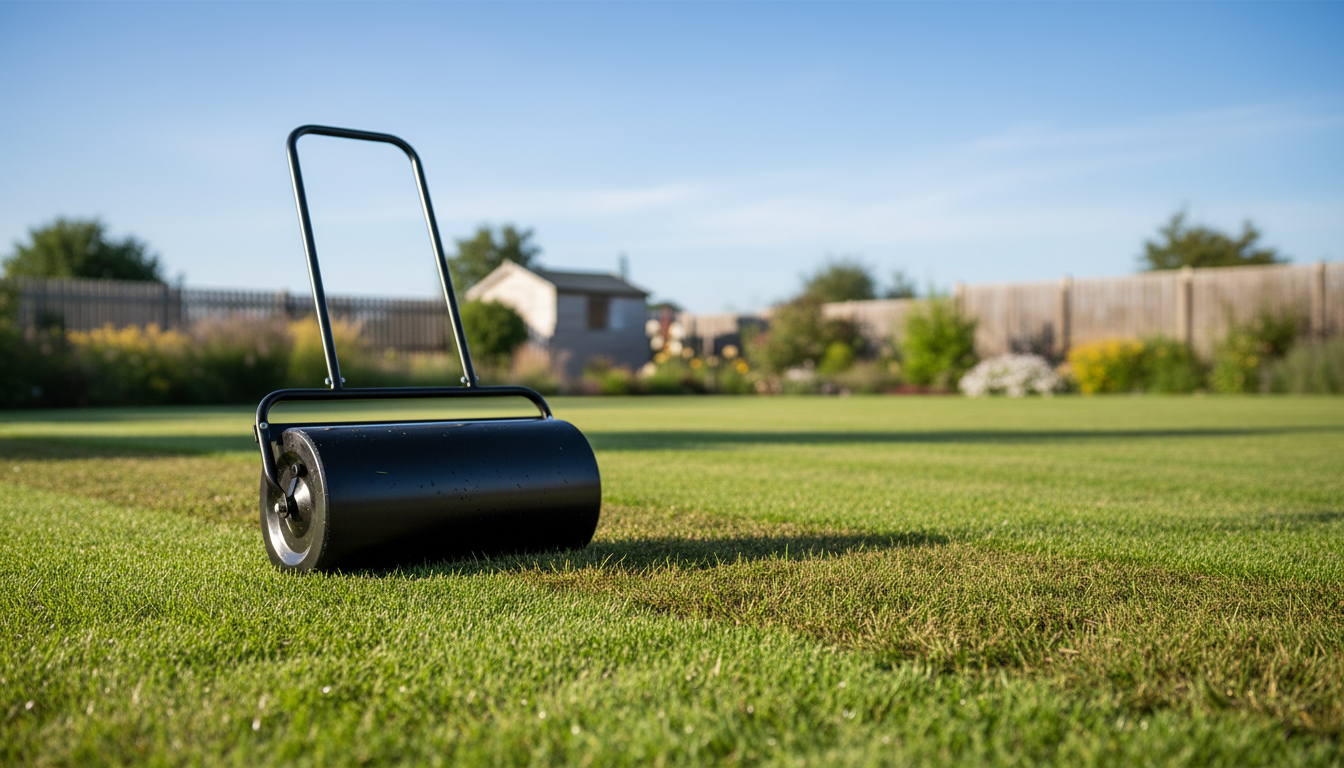
Heavy Duty Lawn Roller for Smoother, Healthier Turf
A heavy duty lawn roller helps level minor bumps, press seed into soil for better contact, and firm up loose turf after winter heaving or topdressing. Used at the right time and weight, it can improve lawn uniformity without stressing grass roots. The key is treating rolling like a finishing step—light, controlled, and timed for workable soil—rather than trying to “flatten” major grade problems with brute force.
What a lawn roller is used for
A lawn roller is a simple tool with a surprisingly useful job: it improves surface contact. That matters for both appearance and turf performance, especially after seasonal shifts or lawn projects.
- Levels small surface irregularities caused by mole tunnels, foot traffic, and freeze–thaw cycles
- Improves seed-to-soil contact after overseeding to support more consistent germination
- Firms freshly laid sod to reduce air pockets and encourage rooting
- Helps settle light topdressing (sand/compost mixes) into low spots when paired with raking
- Creates a smoother surface for mowing and play without aggressive soil compaction (when used properly)
If you’re aiming for a clean mow, fewer scalped spots, and better seed establishment, rolling can be a practical add-on to spring prep or renovation work. For broader lawn care guidance and seasonal timing, you can also reference resources from University of Minnesota Extension and Penn State Extension.
When to roll (and when to skip it)
Rolling works best when the soil has “give” but isn’t muddy. Think: moist enough to be workable, dry enough to support your footprint without squeezing water to the surface.
- Best timing: early spring when soil is moist but not saturated, or after overseeding/sodding when the surface is workable
- Avoid rolling on waterlogged soil; this increases compaction and can damage roots
- Avoid rolling during drought or heat stress; grass blades and crowns are more prone to injury
- If the lawn has deep ruts or major grading issues, soil addition and regrading are usually better than repeated rolling
- For clay-heavy soils, keep total roller weight moderate and limit passes to reduce compaction risk
Quick timing guide for rolling
| Situation | Good time to roll | Notes |
|---|---|---|
| Overseeding | Immediately after seeding | Roll lightly to press seed in; avoid burying seed too deep |
| New sod | Right after installation | Use to remove air pockets; water first so soil is slightly moist |
| Winter heaving | Early spring | Roll only after the lawn has dried enough to avoid rutting |
| After topdressing | After raking/leveling | Roll to settle material into low spots; don’t replace proper grading |
| Wet lawn | Skip | Wait for soil to be moist, not muddy |
How heavy duty rollers work: fill weight, drum size, and materials
“Heavy duty” is less about always being heavy and more about having a sturdy build that stays true and rolls evenly under adjustable load. The most versatile models let you change weight based on soil type, moisture, and the task at hand.
- Fill options: many rollers increase weight with water (easy to drain) or sand (heavier, harder to empty).
- Drum width and diameter: wider drums reduce pass count, while larger diameters tend to roll more smoothly over small undulations.
- Materials and finish: steel drums are durable and resist deformation; coatings/finishes help reduce rust and sticking.
- Handle design: a stable connection and comfortable grip help maintain straight lines and control on turns and slopes.
- Drain/fill cap access: an easy-to-reach cap makes seasonal storage and transport much simpler.
Using a heavy duty lawn roller safely and effectively
Rolling is most successful when it’s deliberate and light-handed. The goal is contact and minor leveling—not compressing the lawn into a hardpan.
- Start with a light fill and add weight only if needed; multiple light passes are safer than one overly heavy pass.
- Roll in straight lines with slight overlap, then change direction for a second pass only when necessary.
- Keep turns gradual to avoid gouging; slow down around edges and on uneven transitions.
- On slopes, roll across the slope when safe rather than straight up/down to reduce slipping.
- Clean the drum after use; dried soil can create bumps and reduce smooth contact.
Care, storage, and season-to-season maintenance
Heavy Duty Lawn Roller: product overview
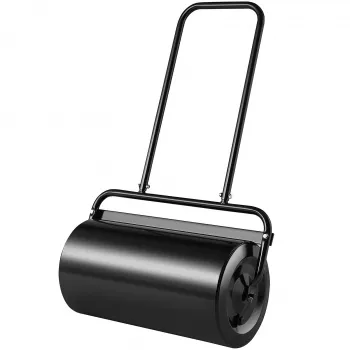
If you want a durable, adjustable tool for routine lawn touch-ups, the Heavy Duty Lawn Roller is designed for the common jobs that benefit from controlled rolling—overseeding, sod settling, and smoothing minor unevenness. Because it’s fillable, you can tailor the load to your soil conditions instead of committing to a single fixed weight.
At-a-glance details
| Item | Detail |
|---|---|
| Product | Heavy Duty Lawn Roller |
| Price | 77.01 USD |
| Availability | In stock |
| Product page | https://vintagelle.com/heavy-duty-lawn-roller/ |
Other in-stock picks to pair with yard time
- Ride On Push Car for Toddlers for keeping little helpers close while you work nearby
- 1:14 Scale RC Excavator with 22 Channels and 680° Rotation for sandbox-style play while you’re doing real landscaping
FAQ
How heavy should a lawn roller be for overseeding?
Start light and use only enough weight to press seed into firm contact with the soil surface without burying it. If the seed is disappearing under the soil, reduce weight and do an extra light pass instead.
Can rolling a lawn cause compaction?
Yes—especially if the roller is too heavy or the soil is wet. To reduce risk, roll only when soil is slightly moist, keep passes to a minimum, and use moderate weight on clay-heavy lawns.
Should a lawn be rolled after laying sod?
Rolling right after installation is often helpful because it removes air pockets and improves root-to-soil contact. Water first so the soil is moist, roll gently, and then keep up consistent watering while the sod establishes.








Leave a comment