Cotton Kitchen Towels: Absorbent, Reusable & Easy Care
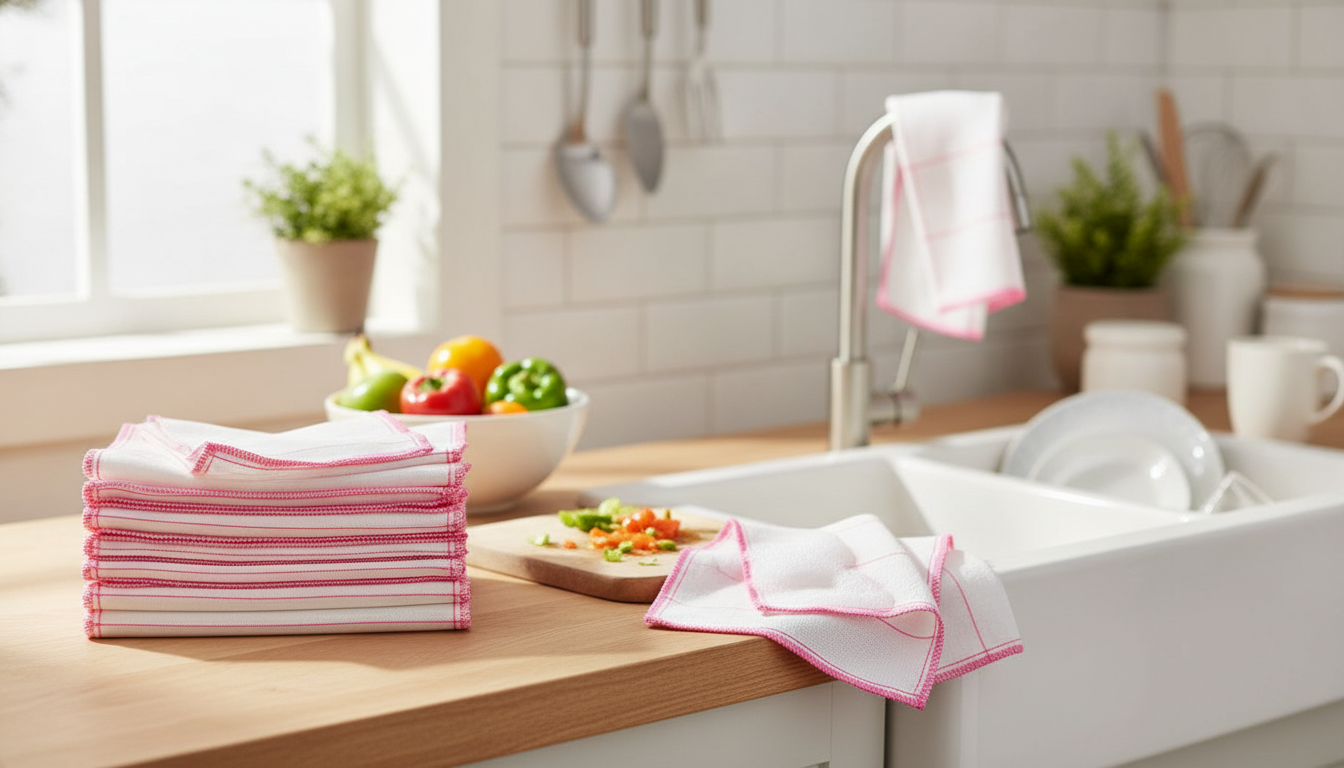
Super Absorbent Cotton Kitchen Towels for Everyday Cleanup
A reliable set of cotton kitchen towels can make daily cleanup faster, reduce paper towel use, and keep surfaces streak-free. Cotton dishcloths are a practical choice for wiping spills, drying hands and dishes, and tackling the little messes that show up during cooking. Below are the key traits that make cotton towels work so well, the most useful ways to put them to work, and simple care habits that help them stay fresh and effective.
What makes cotton towels and dishcloths so effective
Cotton is a kitchen staple for good reason. The natural fiber structure helps cotton hold water well, which is exactly what’s needed when blotting spills or drying freshly washed dishes. A soft cotton texture can also lift moisture and light residue without scratching most everyday kitchen surfaces like sealed countertops, stainless steel exteriors, and glass.
Because they’re reusable, cotton towels support low-waste routines by replacing many single-use paper towels over time. They’re also versatile: a single towel can rotate between drying, wiping, handling small messes, and even light polishing—so long as the towel is clean and assigned appropriately (more on hygiene below).
Everyday uses around the kitchen (and beyond)
When a towel is easy to grab and easy to rinse, it tends to get used more—and that’s what keeps messes from turning into stubborn cleanup later.
- Counter and stovetop wipe-down: Dampen slightly to catch crumbs and splatters, then follow with a dry towel for a clean finish.
- Dish drying: Use a clean, dry towel for glassware and utensils to help minimize water spots.
- Hand drying: Keep a dedicated towel away from food-contact cleanup tasks to reduce cross-contamination.
- Quick spill control: Press (don’t rub) on liquid spills to absorb quickly, then rinse the cloth before wiping again.
- Produce prep cleanup: Wipe water from sinks and cutting boards after washing fruits and vegetables.
- Multi-room utility: Keep one in the bathroom for quick wipe-ups or in the laundry room for detergent drips.
For food safety basics—especially when towels are used around raw ingredients—reputable guidance like the CDC’s food safety recommendations and the USDA FSIS safe food handling resources can help reinforce smart kitchen habits.
Absorbency, thickness, and weave: how to match the cloth to the task
Not every job benefits from the same towel style. More absorbent, thicker cloths are great for spills and dish drying, while lighter cloths can be better for quick wipe-downs and faster drying between uses. Weave matters too: tighter weaves tend to feel smoother for glass and stainless steel, while more textured weaves can grip crumbs and residue better.
One of the easiest upgrades is simply having multiple cloths in rotation. During cooking, it’s common to need one towel for hands, one for counters, and a fresh one for drying dishes. Color- or role-based rotation (for example, one color for counters and another for dish drying) can make hygiene routines feel automatic.
Task-to-cloth matching guide
| Kitchen task | Recommended towel approach | Helpful tip |
|---|---|---|
| Big spills | Most absorbent cloth available | Blot first, then rinse and wipe again |
| Drying dishes/glassware | Clean, dry towel reserved for drying | Avoid using a towel that was used on counters |
| Counter wipe-down | Slightly damp cloth | Follow with a dry towel to prevent streaks |
| Stainless steel touch-ups | Smoother weave, lightly damp then dry | Wipe with the grain where possible |
| Quick hand drying | Dedicated hand towel | Replace daily or when damp for long periods |
Care and washing for freshness and long life
Kitchen towels work hard, so a little routine care goes a long way. After messy jobs (think oils, sauces, or sticky spills), rinse promptly to remove residue that can lead to lingering odors. Wash regularly—especially for towels that touch food-contact areas—so they stay pleasant to use and perform well.
Choosing reusables also supports waste reduction over time; the U.S. EPA’s reuse and waste reduction guidance offers a helpful overview of how everyday swaps can add up.
Simple hygiene habits for reusable dishcloths
A practical option for stocking up on daily-use towels
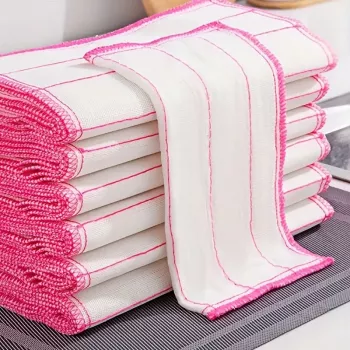
If the goal is a dependable, grab-and-go towel for routine kitchen work, Super Absorbent Cotton Kitchen Towels – Reusable Dishcloths for Daily Use are designed for common tasks like wiping, drying, and quick spill cleanup. Keeping several in circulation makes day-to-day routines smoother: a few within reach, and a few clean in storage so each towel has time to fully dry after use.
For kitchens that also rely on reusable cloth items for prep and cleanup organization, Amazing Song Pudding Bag can be a handy companion item to keep on hand for certain kitchen tasks where a dedicated reusable accessory is preferred.
FAQ
How should cotton kitchen towels be washed to keep them absorbent?
Rinse towels promptly after greasy or messy jobs, wash them regularly, and dry them thoroughly between uses. Avoid heavy fabric softeners when possible, and follow the care label; hot water washing and oxygen-based bleach can help with stubborn odors when the fabric allows.
How often should reusable dishcloths be replaced or rotated?
Rotate to a fresh towel daily or any time it becomes damp, soiled, or used on higher-risk cleanup (like raw-meat packaging areas). Replace towels when the fibers thin, tears appear, performance drops, or persistent odor remains even after proper washing.
Can these towels be used on stainless steel and nonstick cookware?
Yes—use gentle wiping with light pressure and keep the cloth free of gritty debris that could scratch. For nonstick cookware, avoid abrasive scrubbing and switch to a clean towel if it picked up any particles from countertops or pans.








Leave a comment