Aluminum Car Trash Can: Keep Your Cabin Clean on the Go
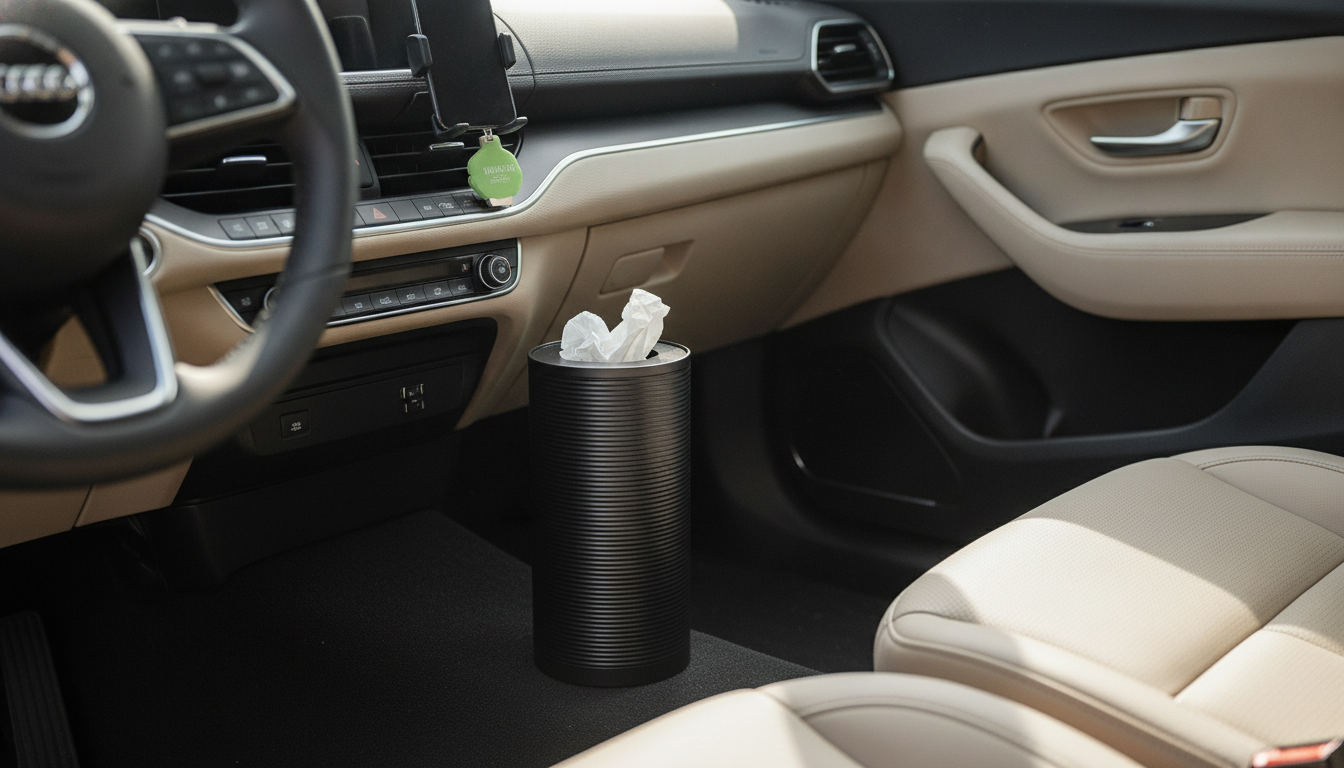
Aluminum Car Trash Can for a Cleaner, More Organized Ride
Loose wrappers, receipts, and cups can turn a tidy cabin into a mess fast—especially on commutes, carpools, and road trips. An aluminum car trash can offers a compact way to keep waste contained, reduce odors, and protect surfaces, while blending into a modern interior with a durable metal finish.
Why a Dedicated Car Trash Can Makes Driving Easier
A small trash solution inside the vehicle does more than “look neat.” It helps create a calmer, more usable cabin where everything has a place—even the throwaways.
- Helps keep floors, cupholders, door pockets, and seat gaps free of clutter.
- Reduces distractions caused by shifting trash while driving. For broader safety context, see the U.S. Department of Transportation guidance on distracted driving.
- Supports better hygiene by limiting sticky residue and crumbs on touchpoints.
- Makes end-of-week cleanups quicker by consolidating waste in one spot.
What Sets an Aluminum Trash Can Apart
Many “car trash cans” are essentially soft bags or thin bins. Aluminum is a different approach: rigid, wipe-friendly, and designed to look like it belongs in the cabin.
- Sturdy body resists crushing compared with thin plastic bins and disposable bags.
- Metal surface is typically easier to wipe clean after leaks or spills.
- More premium look for drivers who prefer a minimalist, coordinated cabin setup.
- Better long-term value when used daily for small waste (wrappers, napkins, masks, receipts).
If you regularly toss coffee stirrers, condiment packets, tissues, or drive-thru receipts, a rigid metal bin helps prevent that slow “pile-up” effect that ends up in door pockets and seat rails.
Placement Options That Work in Most Vehicles
The best location is the one that stays stable, stays reachable, and doesn’t interfere with driving controls or passenger movement. A compact bin gives you flexibility across sedans, SUVs, and trucks.
- Center console area: convenient for front-seat use; helps manage coffee cup lids, gum wrappers, and receipts.
- Door pocket zone: easy access for driver or passenger; best for lightweight trash.
- Back seat area: useful for families and rideshare; consider positioning where kids can reach without tipping it.
- Footwell (passenger side): keeps it out of sight; choose stable placement to avoid sliding during braking.
Wherever it goes, keep it clear of pedals, seat tracks, and any area where an object could shift into a safety-critical zone. The goal is convenience without compromise.
Everyday Use Tips for a Cleaner Cabin
A few small habits make a big difference—especially when the bin is used daily.
- Line it with small bags for quick emptying; keep a few spare liners in the glove box.
- Empty regularly to prevent odors—especially after food packaging or wet items.
- Wipe the inside with mild soap and water as needed; dry fully before reinstalling. For general best practices, the CDC’s guide to cleaning and disinfecting is a helpful reference.
- Avoid putting sharp objects or open liquids directly inside; cap containers and wrap messy waste first.
One practical routine: “line, toss, empty, wipe.” If you treat the liner as disposable and the metal can as the durable shell, maintenance stays simple even with heavy use.
Quick Comparison: Aluminum vs. Common Alternatives
Choose based on durability needs, cleaning habits, and where the bin will sit in the cabin. If frequent spills are a concern, prioritize easy-wipe materials and a stable footprint. For family vehicles, consider capacity and whether passengers can reach it safely.
Material and Design Tradeoffs
| Option | Strength & durability | Cleanup | Best for |
|---|---|---|---|
| Aluminum bin | High resistance to crushing and daily wear | Wipe-friendly; holds up to frequent cleaning | Drivers wanting a durable, tidy-looking solution |
| Soft fabric bin | Flexible; can sag when not full | Often needs deeper cleaning if spills soak in | Lightweight use; occasional trash |
| Plastic bin | Moderate; can crack or deform over time | Easy to rinse but can retain odors if scratched | Budget-friendly setups and simple maintenance |
| Hanging bag style | Depends on straps and seams; may swing while driving | Easy to replace liners; bag surface can get grimy | Road trips and back-seat passenger use |
Product Spotlight: Aluminum Car Trash Can
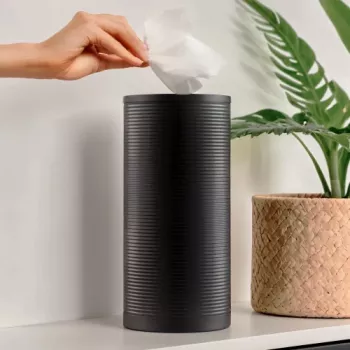
- A compact, metal-bodied bin designed to keep everyday cabin waste contained without taking up much space.
- Works well for small items like wrappers, napkins, receipts, masks, and tissues.
- Simple to incorporate into routine: line, toss, empty, wipe, and repeat.
- Available now: Aluminum Car Trash Can ($14.51).
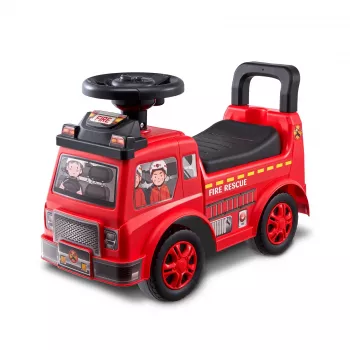
For family rides, pairing a tidy cabin with kid-friendly travel gear can make outings smoother. If you regularly have little passengers, the Ride On Push Car for Toddlers can be a fun option when you arrive at parks, walks, or gatherings—while the trash can helps keep the vehicle itself under control.
And for gift shopping or hobby time outside the car, the 1:14 Scale RC Excavator with 22 Channels and 680° Rotation is another in-stock pick that’s easy to add to a cart when stocking up on practical essentials.
Simple Setup and Maintenance Checklist
FAQ
Where should a car trash can be placed so it doesn’t slide around?
Choose a stable spot like the center console area, passenger footwell, or a secure back-seat zone, and avoid anywhere that could interfere with pedals, airbags, or seat movement. Using a properly fitted liner and keeping heavier items out also helps prevent shifting.
How often should a car trash can be emptied to prevent odors?
Weekly is a solid baseline, but empty it sooner after food packaging, wet items, or anything with a strong smell. Liners, sealing messy trash, and a quick wipe-down keep odors from building up.
Can an aluminum car trash can be cleaned with regular household products?
Yes—mild soap and water with a non-abrasive cloth works well, followed by thorough drying. Avoid harsh abrasives that can scratch the finish, and wipe promptly after spills for easier cleanup.








Leave a comment