-
Shop
- Adidas
- Advanced Technologies
- AI Skills for Creators & Freelancers
- AI Client Management
- AI Ethics
- AI Mindset
- AI Tools & Prompts
- AI Writing & Content Creation
- Audio, Voice & Music
- Design & Visual Creation
- Email, Messaging & Communication
- Freelancing & Business
- Marketing, Ads & Conversion
- Productivity, Workflow & Automation
- SEO & Search Optimization
- Social Media Content & Growth
- Strategy, Planning & Analytics
- Video Creation & Editing
- Beauty
- Best-Sellers
- Car Accessories
- Car Buying & Ownership
- Confidence
- Dating & Social Skills
- Digital Resources
- Education & Learning
- Family & Parenting
- Fashion
- Accessories
- Alexander McQueen
- Bags
- Bags & Wallets
- Balenciaga
- Belts
- Blazers
- Bottega Veneta
- Brunello Cucinelli
- Burberry
- Chanel
- Chloé
- Dior
- Dolce & Gabbana
- Dresses
- Etro
- Fendi
- Gucci
- Hats & Hair Accessories
- Hoodies & Sweatshirts
- Jewelry
- Jil Sander
- Keychains
- Kiton
- Luggage
- Miu Miu
- Off-White
- Outerwear
- Prada
- Rick Owens
- Saint Laurent
- Shoes
- Socks & Tights
- Sweaters & Cardigans
- The Row
- Tom Ford
- Tops & Shirts
- Valentino
- Valentino Garavani
- Versace
- Vivienne Westwood
- Watches
- Fashion Accessories
- Furniture
- Gadgets
- Health & Beauty
- Health & Wellness
- Home & Garden
- Home Styling & Organization
- Home Supplies
- Kids & Babies
- Kitchen Best-Sellers
- Parenting & Child Development
- Patio, Lawn & Garden
- Personal Growth
- Personal Style & Fashion
- Pet Care
- Pet Lifestyle & Wellness
- Pet Supplies
- Pets
- Smart Home Living Guides
- Sport & Outdoors
- Stress Relief & Relaxation
- Super Deals
- Travel
- Travel & Adventure
- Wealth
- Wellness
Plush Oval Microfiber Bath Mat: Non-Slip, Absorbent
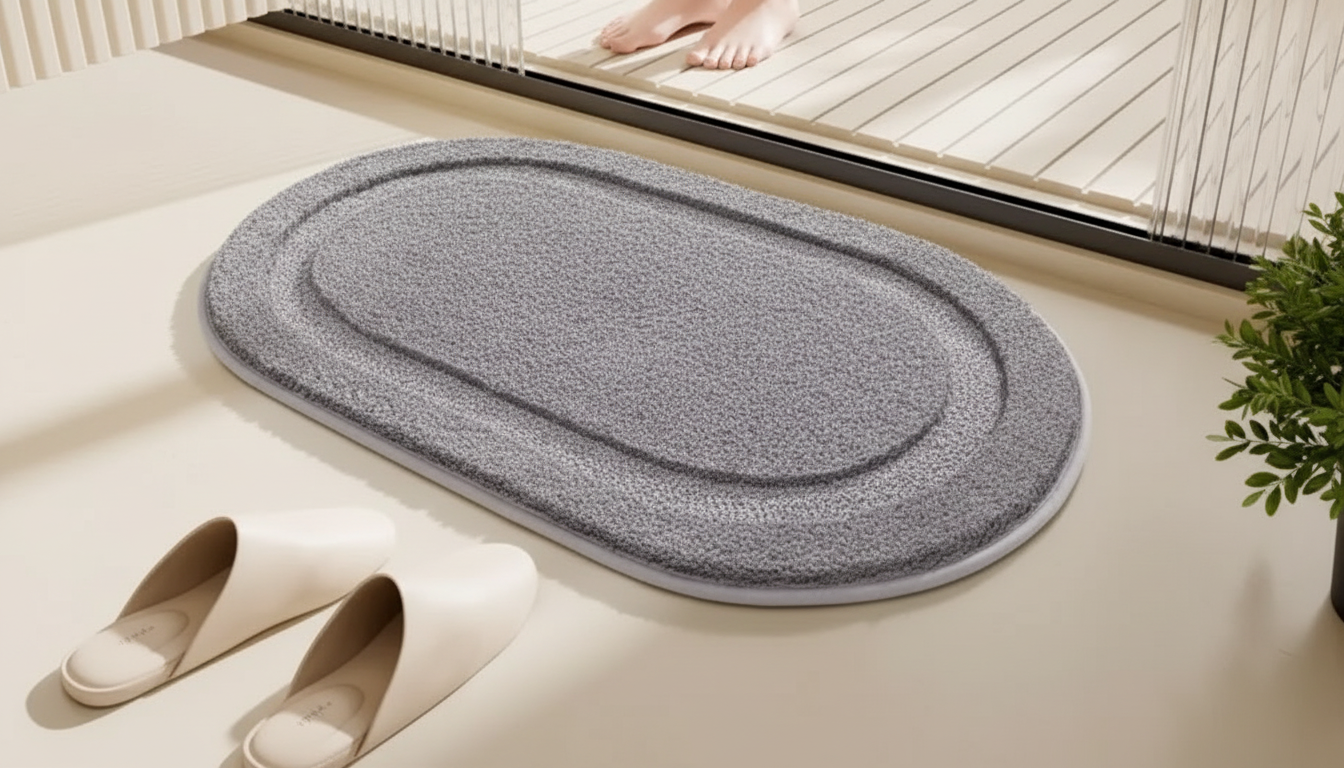
Plush Oval Non-Slip Microfiber Bath Mat, Ultra Absorbent
A bath mat should do three things well: soak up water fast, stay firmly in place, and feel comfortable underfoot. This plush oval microfiber mat is designed to reduce puddles around the tub or shower while adding a soft, warm landing spot for daily routines. For more guidance, see Hay Bath Mat – The 16 best products compared.
What Makes This Bath Mat Different
- Plush microfiber surface designed for a soft feel and quick water pickup after showers and baths
- Non-slip backing intended to help the mat stay put on dry, smooth bathroom floors
- Oval shape that fits neatly in front of tubs, showers, or single-sink vanities without sharp corners
- Everyday-friendly look that works with modern, minimal, or cozy bathroom styles
If your bathroom tends to collect damp footprints near the tub, a microfiber bath mat can help by capturing drips before they spread across tile or laminate. For broader bathroom safety habits—especially in homes with older adults—authoritative guidance is available from the CDC’s falls prevention resources and NIH MedlinePlus bathroom safety tips. For further reading, see weekend open thread – January 23-24, 2021.
Comfort and Absorbency: What to Expect
Microfiber is known for its ability to pick up and hold moisture, which is exactly what you want right after stepping out of a shower or bath. The plush pile also adds a noticeable buffer from cold floors—helpful on early mornings and during nighttime routines.
- Microfiber piles help capture water droplets quickly, which can help keep floors drier between cleanups
- Plush texture provides cushioning and warmth compared with bare tile or thin rugs
- Works well for post-shower drips, kids’ bath time splashes, and sink-area handwashing
- For best results, place the mat where feet land first when stepping out of the tub or shower
Everyday Use Scenarios
| Location | Common water source | Why it helps |
|---|---|---|
| In front of tub | Drips after bathing | Absorbs moisture and adds a soft landing |
| Outside shower | Runoff from door/curtain | Helps reduce small puddles on tile |
| By vanity | Handwashing splashes | Catches water and helps protect flooring |
| Kids’ bath area | Frequent splashes | Adds comfort and helps manage messes |
Non-Slip Performance and Floor Safety Tips
“Non-slip” performance depends as much on placement and conditions as it does on the backing itself. A bath mat is most stable when it can fully contact a clean, dry surface—so a few small habits can make a big difference.
- Non-slip bath mats work best when the floor beneath is clean, dry, and smooth before placing the mat down
- Avoid using the mat on top of other rugs; stacking layers can reduce grip and create tripping edges
- If the bathroom floor is frequently wet, focus on keeping water contained (shower curtain/door alignment, quick towel wipe-down) so the mat backing can maintain contact
- Check corners and edges occasionally and smooth them flat to prevent curling
For households focused on reducing slip risks, pair a stable bath mat with common-sense routines like wiping up standing water promptly and keeping pathways clear.
Placement and Sizing Guidance for an Oval Mat
An oval bath mat is an easy way to soften the look of straight lines from tubs, vanities, and tile layouts. It’s also practical: rounded edges can feel less “blocky” in tight bathrooms, and the silhouette tends to blend in rather than dominate the floor.
- Center the mat where feet naturally step down when leaving the tub or shower
- Keep a small gap from the tub edge to prevent constant saturation at the rim line
- For narrow bathrooms, oval mats can reduce visual bulk and make walkways feel less crowded
- If using near a door swing, ensure the door clears the pile height to prevent snagging
Quick Placement Checklist
| Check | Why it matters |
|---|---|
| Floor is dry before placement | Improves traction and stability |
| Mat sits flat (no ripples) | Reduces tripping risk and helps backing grip |
| Primary drip zone is covered | Cuts down on puddles and damp footprints |
| Door clearance confirmed | Prevents bunching or dragging |
Care, Cleaning, and Keeping It Plush
A plush microfiber bath mat stays more comfortable (and looks better) when it’s kept free of excess hair, dust, and product residue. A simple routine also helps the mat dry faster between uses.
Feature Summary
At-a-Glance Overview
| Feature | Benefit in daily use |
|---|---|
| Plush microfiber | Warm, cushioned step and quick moisture pickup |
| Absorbent design | Helps keep floors drier after bathing |
| Non-slip backing | Improved stability on clean, dry floors |
| Oval silhouette | Fits small spaces and softens the look of hard edges |
In-Stock Picks
- Plush Oval Non-Slip Microfiber Bath Mat, Ultra Absorbent ($33.51)
- Ride On Push Car for Toddlers ($39.67)
FAQ
Can a non-slip bath mat be used on wet tile?
It can be placed on tile, but the backing grips best when the surface underneath is clean and dry. If water constantly pools in that spot, dry the floor first and reposition the mat so it isn’t sitting in standing water.
How often should a microfiber bath mat be washed?
For most households, washing weekly to every two weeks works well, depending on how much moisture it sees. If you have kids, frequent baths, or a high-humidity bathroom, wash more often and let it dry fully between uses.
Will an oval bath mat fit in front of a shower door?
Measure the landing area in front of the door and confirm the door clears the mat’s pile height when it swings or slides. Center the mat where feet step down and where drips typically fall to get the best coverage.
Recommended for you


Was this article helpful?
Yes
No






Leave a comment