Solar Motion Sensor Explained: How It Detects & Powers
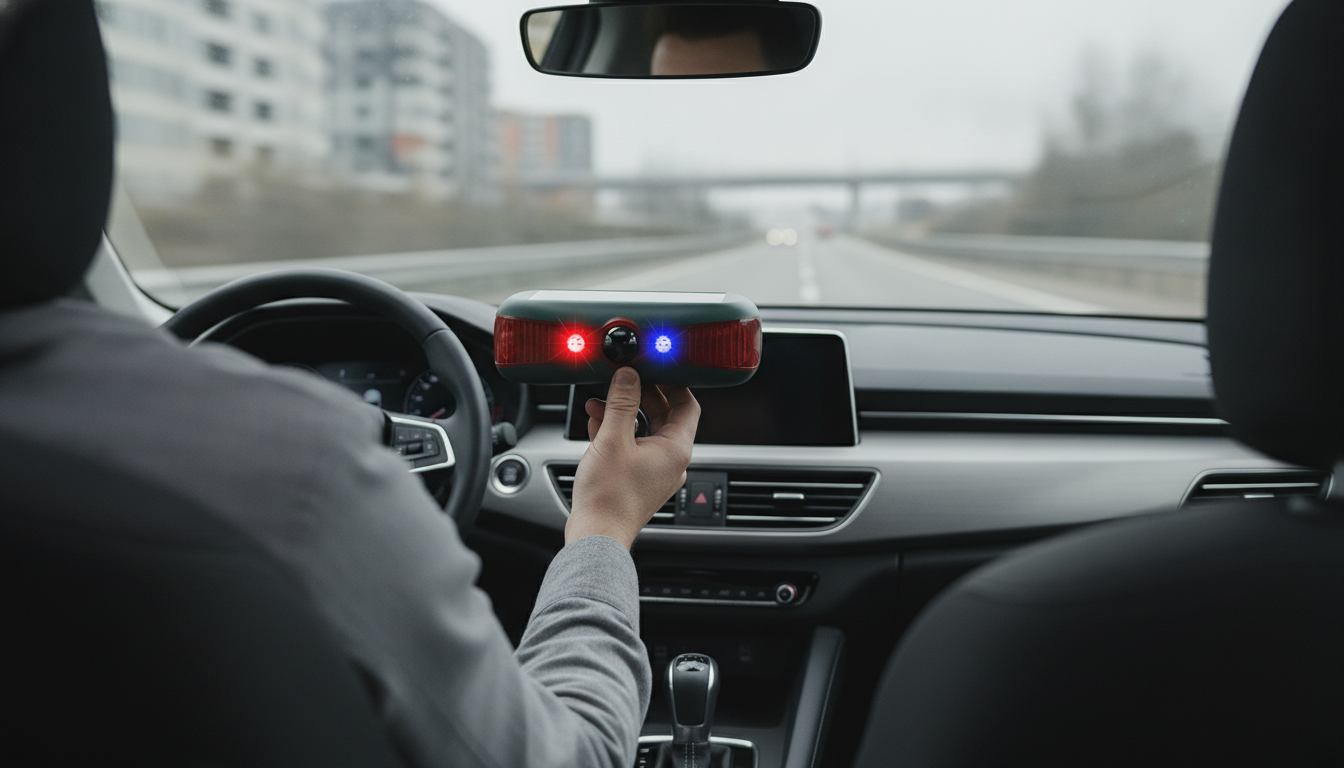
How does a solar motion sensor work?
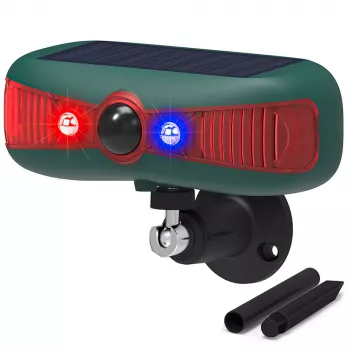
A solar motion sensor combines three essentials—sunlight power, motion detection, and automated switching—to trigger a light, alarm, or camera only when activity is detected. During the day, a small solar panel converts sunlight into electricity and stores it in a rechargeable battery. After dark (or when ambient light drops), the system “arms” itself so it can react to movement without needing wired power.
Solar panel and battery: the power system
The solar panel feeds a charge controller that regulates voltage and current so the battery charges safely and efficiently. The battery then supplies steady power to the sensor and the connected device. Many units are designed to run on very low standby power so they can stay ready all night, even after cloudy days.
Motion detection: how movement is sensed
Most solar motion sensors use a PIR (passive infrared) sensor. PIR detects changes in infrared heat patterns—like a person or animal moving across its field of view. When that heat pattern shifts quickly enough, the sensor signals the control circuit that motion has occurred.
Light sensing and timing: preventing daytime triggers
A built-in photocell or light sensor helps decide when to respond. In bright conditions, the sensor may ignore motion and focus on charging. At night, it enables motion-triggered behavior. Many models also include adjustable sensitivity, detection range, and “on-time” settings (how long the light stays on after motion stops).
What happens after detection?
Once motion is confirmed, the controller instantly powers the load—commonly LEDs for security lighting—or sends a signal to a camera or alarm. After a set delay, it turns the device off and returns to low-power standby.
For a deeper breakdown of components, settings, and placement tips, visit the full guide: https://vintagelle.com/how-does-a-solar-motion-sensor-work/.
FAQ
Where should you place a solar motion sensor for the best performance?
Mount it where the solar panel gets several hours of direct sun and the sensor faces the area you want to monitor. Aim the PIR toward side-to-side traffic (like a walkway) rather than directly at approaching movement for more reliable detection.










Leave a comment